
Innovating for Change: Sustainable Harvest International and Rodale Institute
Sustainable Harvest International
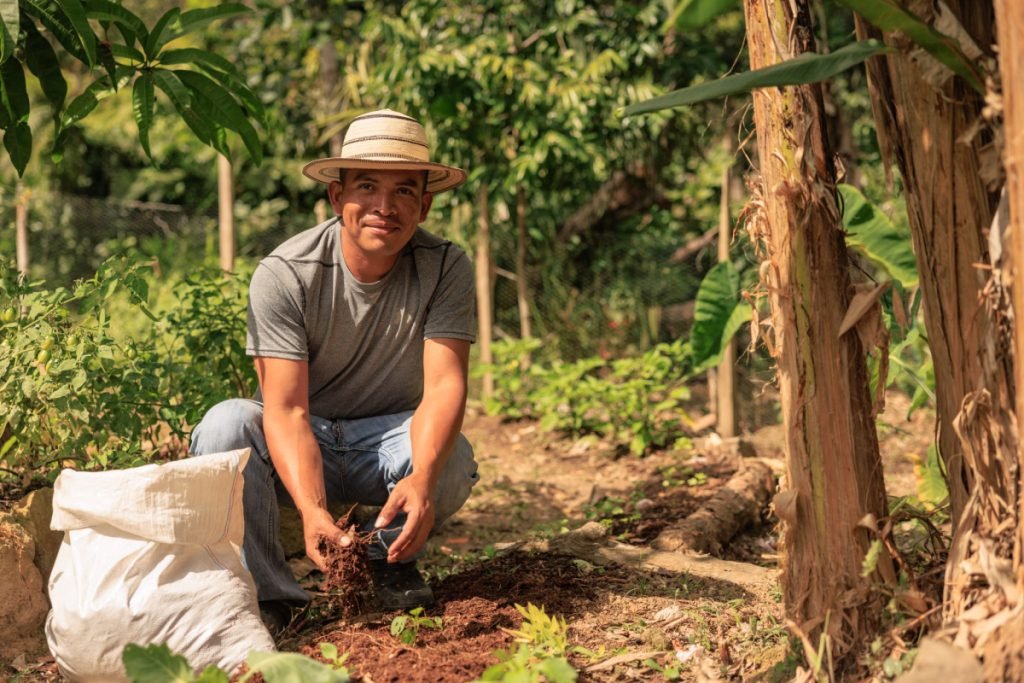
Sustainable Harvest International began with a passionate vision and has expanded to implement sustainable agricultural practices in three nations across Central America.
Florence Reed initiated this journey in the early 1990s during her time as a Peace Corps volunteer in Panama. Observing the struggles of local farmers, Reed felt compelled to find alternative solutions to the prevalent slash-and-burn techniques. Starting from a humble office in her parents’ home, she concentrated her efforts on supporting grassroots farming initiatives in Honduras.
Founded in 1997, Sustainable Harvest International operates under the principle that meaningful grassroots innovation leads to lasting change. To date, they have equipped over 3,000 farming families to thrive today while ensuring their agricultural practices are sustainable for future generations.
According to Executive Director Elliot Powell, “Addressing the climate crisis requires a significant overhaul in our food production methods.” He emphasizes that the issues of environmental degradation and rural poverty are interconnected, necessitating an integrated approach to find solutions.
A primary focus for Sustainable Harvest International is the Million Farm Transformation initiative. Powell explains, “Our ambitious goal is to revitalize one million farms across eight million acres, enhancing food sovereignty for approximately five million individuals by the year 2030.”
Rodale Institute
For more than seventy years, the Rodale Institute has led the transition from traditional farming techniques to organic practices. By advocating for organic no-till and biological farming, they aim to foster economic growth in agricultural communities and empower consumers to make educated choices regarding their food.
Jeff Tkach, Chief Impact Officer at Rodale, states, “Our focus is on creating regional food systems, with soil health as our top priority and transitioning farmland from conventional methods to organic as our principal goal.”
Education of consumers is a vital component of their mission. Tkach describes it as the “power of the plate,” emphasizing that consumer spending reflects choices in food production. To facilitate this, they have launched a virtual educational platform offering online courses for both consumers and farmers.
The latest course, titled “Being a Regenerative Consumer,” is freely accessible online and covers a variety of topics, including understanding nutrition labels, minimizing pesticide use, and how regenerative organic farming practices can help in addressing climate change.
This course not only enables participants to connect with Rodale’s team but also provides access to a wealth of curated research and resources amassed throughout their history, available indefinitely.
For Tkach, this initiative resonates deeply: “Our ultimate purpose is to aid individuals in re-establishing a healthy relationship with our food system, contributing to the healing of our society.”