
Reviving Ancient Remedies for Modern Times
This month, as we honor the rich cultural heritage of our nation, we also delve into the invaluable knowledge surrounding Indigenous plant medicine. LoriAnn Bird, a Métis herbalist and educator, shares her understanding of nature’s resources and their significance in the lives of Indigenous peoples throughout history.
Generational plant knowledge
Indigenous science employs the same botanical resources recognized in Western medicine; however, Bird emphasizes that “this knowledge is not documented in written forms but passed down through oral traditions, which all cultures have embraced.”
Various plants that alleviate pain and reduce inflammation have been integral to human survival across different cultures. “This wisdom is not confined to one culture,” shares Bird. “We all belong to the earth.”
Indigenous communities, historically and presently, have relied on practices informed by their deep understanding of nature. Despite advancements in Western medicine leading to improved health outcomes, the complexities of modern life have contributed to a rise in inflammatory conditions, including allergies and autoimmune diseases. (Conditions such as COVID-19 and long COVID also fall within this category.) Thus, plants remain essential as both nourishment and medicine in today’s world.
Plants as our guides
In her forthcoming book, Revered Roots: Ancestral Teachings and Wisdom of Wild, Edible, and Medicinal Plants (Cool Spring Press, 2025), Bird perceives plants as educators.
“We strive for control due to our past traumas,” Bird observes. “We avoid feelings associated with those experiences, but in doing so, we may amplify them. Every occurrence carries a lesson. What insights can I derive from this? How can I embrace this challenge? How do I regain my center amidst turmoil?”
According to Bird, physical pain often signals a disconnection within our mind, body, spirit, or emotions. In such instances, tinctures, salves, and herbal teas can aid in balancing these aspects of our lives.
Fostering connections with our plant kin
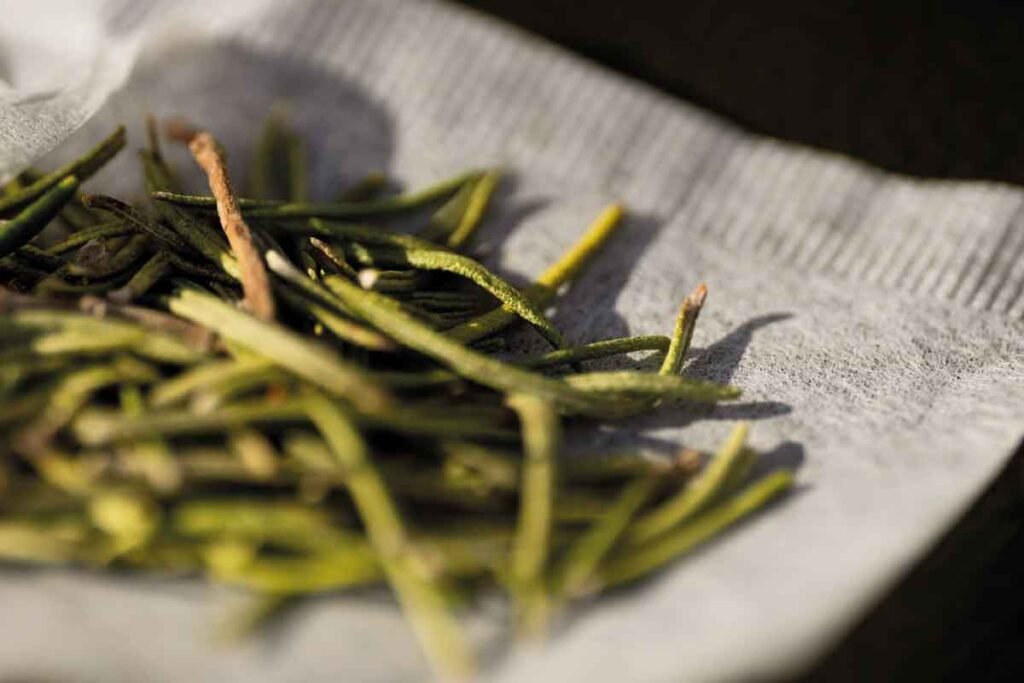
When European settlers first arrived on the east coast of Canada, Indigenous peoples introduced them to pine needle tea as a remedy for scurvy, a condition they developed on ocean voyages. Bird continues to forage and consume wild plants high in vitamin C, such as evergreen tips.
In her gardening practices, Bird creates a holistic ecosystem, planting yarrow to attract pollinators and positioning comfrey by compost to enhance decomposition. This ecosystem approach mirrors that needed for human health.
Plants hold immense medicinal potential, and Bird emphasizes the importance of individuals discovering which plants align with their specific needs and which ones may be unsuitable. “It’s a lifelong adventure of discovery,” she states. “Plants offer their existence to teach us, to help heal our bodies, and to restore our balance, but they also hold the potential to harm us if utilized improperly.”
Future stewards of knowledge
Bird mentors individuals across various generations and cultural backgrounds, motivating them to engage with and appreciate the wisdom embedded in the natural world.
Looking forward, Bird is committed to the revitalization and preservation of Indigenous knowledge surrounding medicinal plants and their healing capabilities for future generations.
This piece was initially featured in the July 2025 issue of Daitrl magazine.