

Stay Hydrated on Your Next Vacation
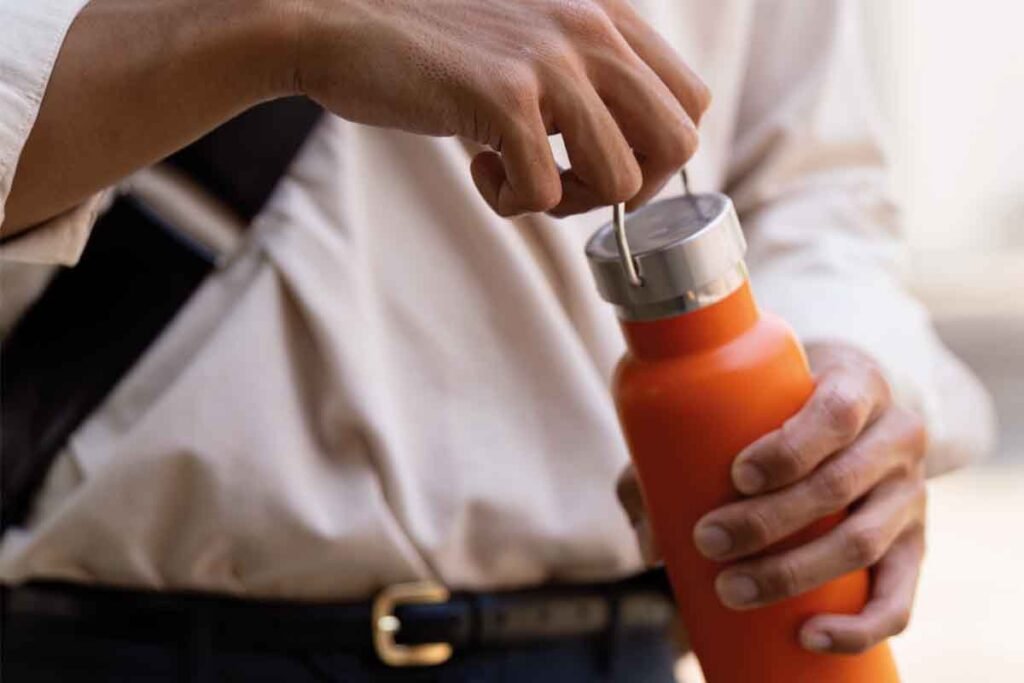
Summer marks a peak travel season for countless Canadians, whether they’re exploring foreign lands or embarking on road trips through the Prairies. Amidst your preparations to highlight your favorite attractions in travel guides and gathering essentials like sunscreen, it’s crucial not to overlook a fundamental aspect of healthy travel: developing a solid hydration strategy alongside your trusty water bottle.
Hydration: Key to a Successful Vacation
If you frequently fall ill during or after your travels, you are certainly not alone. Depending on the destination, up to 80% of Canadians experience some form of illness following a trip. This can be attributed to various factors, many of which can be alleviated by maintaining proper hydration.
Weakened Immune Function
The confined space of an airplane cabin is a breeding ground for germs. Proper hydration can enhance your immune response. Hydration keeps the mucous membranes lining your sinuses moist, bolstering their defense against viruses. Additionally, water aids in flushing out toxins accumulated during your travels—be it bacteria or the excess of rich foods.
Combatting Travel Fatigue and Time Zone Shifts
Don’t let those overnight flights drain your energy; inadequate rest weakens your immune system. Staying well-hydrated supports better sleep and helps mitigate the effects of jet lag.
Adjusting to New Conditions
Popular tropical destinations for Canadians, such as Cuba and Mexico, come with heat-related health risks, making hydration even more critical.
Even with the numerous benefits of hydration, the traveling experience itself can lead to significant dehydration.
Air Travel and Dehydration
“Dehydration when traveling is quite prevalent,” highlights registered nurse and seasoned traveler Valerie Creel, especially during flights.
“Airplanes typically have lower moisture levels because they draw outside air to pressurize their cabins; the high altitude contributes to this drier air,” says Creel. “Cabin humidity is usually around 5-20%, while the average home maintains about 40-60% humidity.”
As a result, water loss accelerates when flying.
Even when not flying, travel inherently poses challenges to hydration levels.
“Travel disrupts our routines, exposes us to varying climates, and often increases physical exertion (such as walking through terminals or managing luggage),” mentions Stephanie Webb, a tour guide from Niagara Falls.
“Combined with hectic travel itineraries, unfamiliar drinking sources, and sometimes excessive indulgence (cheers to cocktails!), it’s no surprise many of us feel lethargic and dehydrated,” Webb elaborates.
Integrate Hydration into Your Travel Plans
Before loading your luggage into the car, take a moment to drink a glass of water and think ahead.
“While organizing travel logistics, hydration tends to slip down the priority list,” notes Amy Neary, CEO of an IV hydration clinic network.
“Nonetheless, maintaining hydration is among the simplest yet most effective methods to support your health while traveling,” Neary asserts. “The signs of dehydration, including fatigue, headaches, cognitive fog, digestive issues, and a compromised immune system, are precisely what you want to avoid while visiting new places. Hydration must be included on your packing checklist, right alongside your passport.”
This article was first published in the July 2025 edition of Daitrl magazine.